
_edited_edited_edited.png)


Window Tinting: The Myths, the Do’s, the Don’ts & the Common Misconceptions-
Window tinting is one of the most popular upgrades for both vehicles and homes — but it’s also one of the most misunderstood. From wild myths to outdated beliefs, it’s easy for customers to get confused about what’s true and what isn’t. In this guide, we’re breaking down the top myths, the must-know do’s and don’ts, and the most common misconceptions so customers can make the right choice when protecting their glass, their privacy, and their comfort.

Common Window Tint Myths —
Busted MYTH #1: “Darker tint is always better.” Wrong. Darker looks nice, but quality and technology matter more. A high-quality ceramic film can block more heat at a lighter shade than cheap dark tint ever could.
MYTH #2: “Tint damages your windows.” Not true. Professional tint installed correctly will not damage glass. Issues come from cheap films, improper installation, or DIY kits — not from professional tinting.
MYTH #3: “You can’t tint your windshield.” You can — legally, with restrictions. A 50% ceramic windshield tint or sun strip is legal in many states and dramatically reduces heat and glare.
MYTH #4: “Tinting is only for looks.”
Tint adds style, but it also:

• Reduces heat
• Blocks UV rays
• Protects interiors from fading
• Adds privacy
• Improves driving comfort It’s functional and aesthetic.
MYTH #5: “Tint lasts forever.” No tint lasts forever. Good tint lasts 10+ years.
Cheap tint? Maybe a year or two before it starts turning purple or bubbling.
The Do’s of Window Tinting
DO choose the right film. Ceramic > dyed. Ceramic blocks heat, UV, and glare — without needing to go dark.
DO check your local tint laws. In Georgia and Alabama, 32% is the legal limit on the front two windows.
DO let your tint cure. Drying time takes 3–5 days in summer, possibly a week or more in winter. Moisture bubbles are normal during this period.
DO trust a professional installer. Proper tools, heat-forming, and installation technique make all the difference.
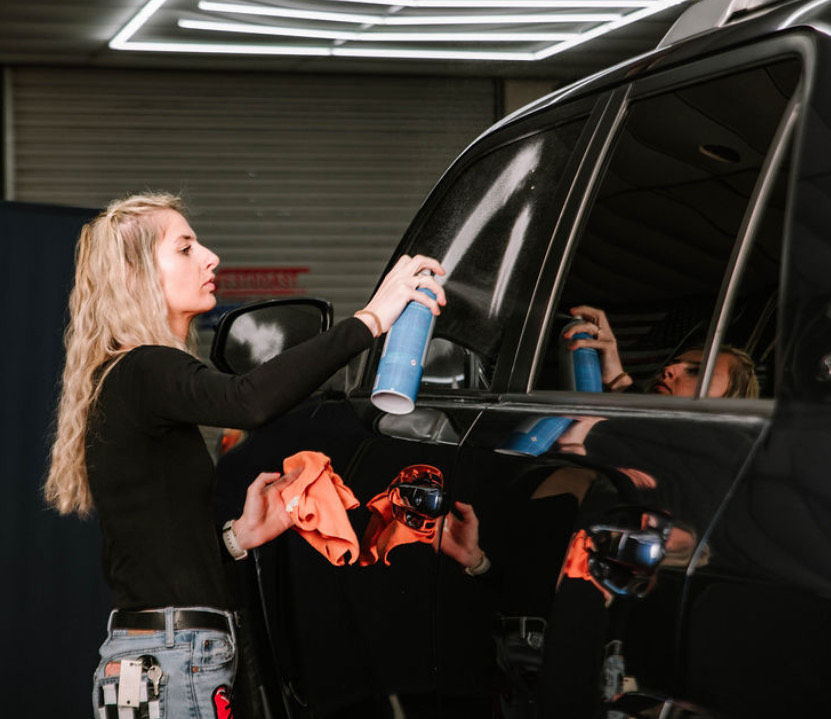
DO clean your tint with tint-safe products. No ammonia-based cleaners.
Use:
• Microfiber towels
• Glass cleaner safe for tint
• Gentle motions
The Don’ts of Window Tinting
DON’T roll your windows down immediately. Wait at least 3–5 days, or whatever your installer recommends.
DON’T choose tint based on price alone. Cheap tint bubbles, fades, scratches, and looks terrible fast. Quality tint gives better performance and better longevity.
DON’T remove tint yourself. You can damage defrost lines or glass. Always let a professional handle removals.
DON’T expect tint to fix poor AC or damaged glass. Tint helps with heat control — but it isn’t a replacement for a working AC system or damaged seals. ⸻ Common
Misconceptions About Tint
“All tint looks the same.” False. Ceramic vs. standard tint is a night-and-day difference in:
• Clarity
• Heat blocking
• UV protection
“Tint makes nighttime driving dangerous.”
Not when installed correctly. Quality films maintain clarity and avoid overly dark shades.
“Interior fading is only caused by the sun.”
Heat and UV penetrate glass. Tint reduces both significantly.
“Windshield film is pointless.”
The windshield is the largest piece of glass — and where most heat enters. A clear ceramic windshield film can reduce up to 50% of infrared heat.
Window tinting isn’t just about looks — it’s about comfort, protection, and performance. Whether you’re tinting your car, home, or business, choosing the right film and installer matters more than the shade you pick.
If you’re considering window tinting and want expert advice, quality products, and a lifetime warranty, Tinted Window Tinting & Vinyl Wrap is here to help. Have questions? Want a quote? Reach out anytime!


Comments